Volcanic energy
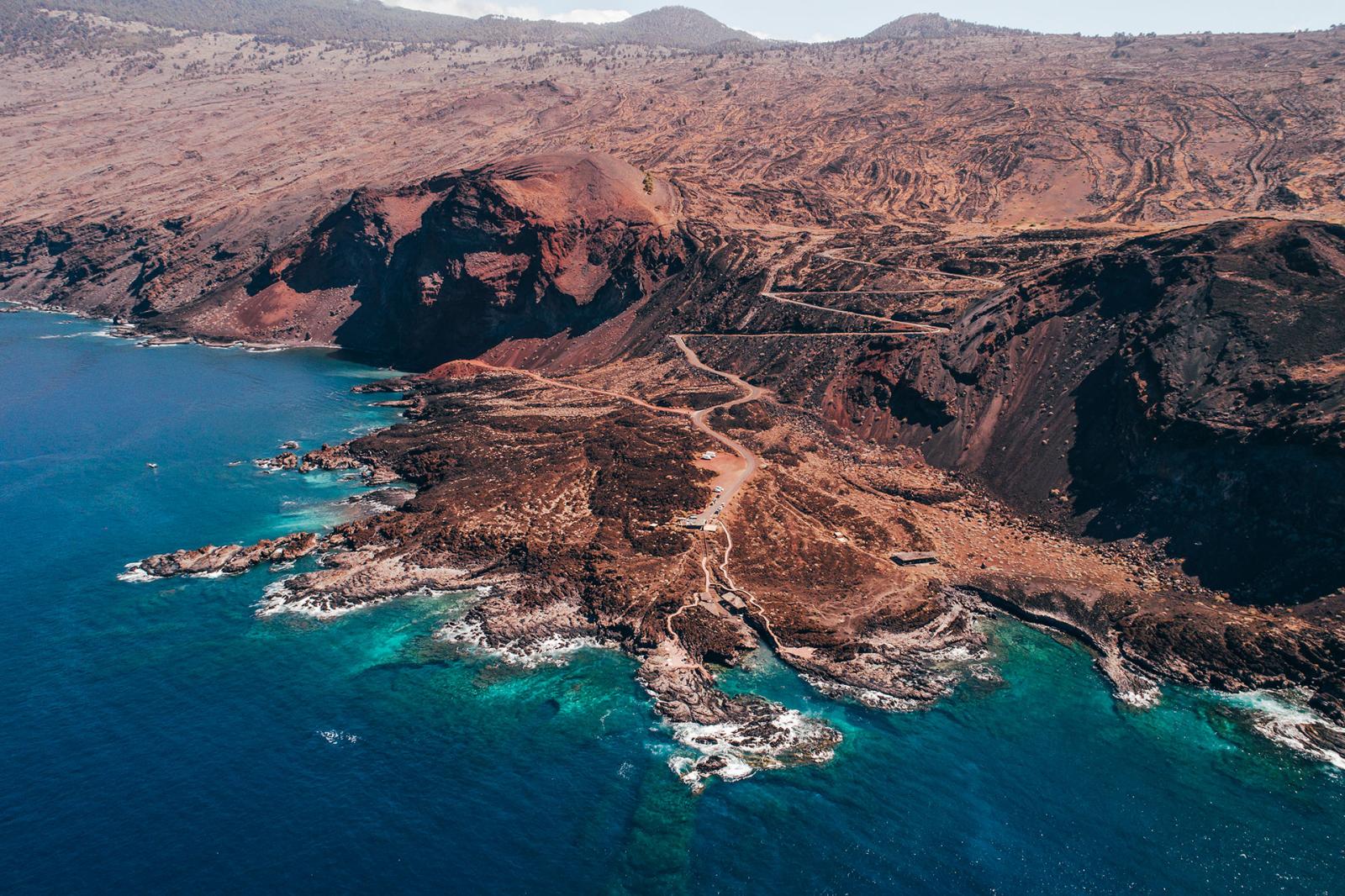
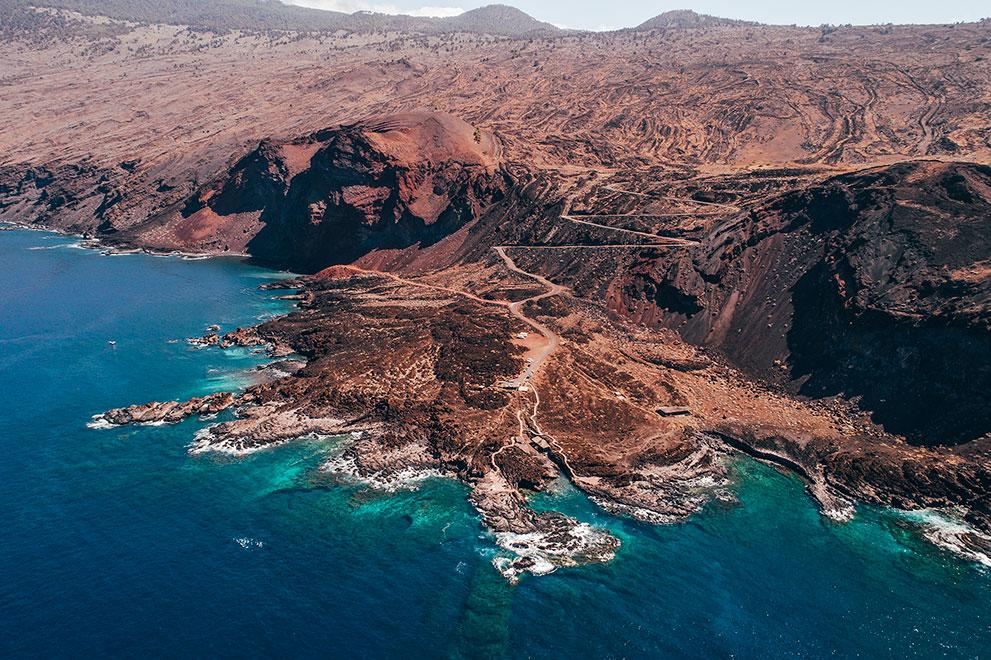
El Hierro is—along with the other Canary Islands—in the middle of the Atlantic Ocean. It is the youngest island in the archipelago and its geological story started 1.2 million years ago when magma broke through the sea bed and lava rose up through the fissure to a height of 1,501 metres, forming what is now known as Pico de Malpaso, the highest peak on the island.
This volcanic island arose through the Earth's need to release a huge amount of accumulated energy. And you can feel this unstoppable energy at every step, in every landscape, every night and every day on El Hierro.
A space full of nature and life
From east to west and west to east, El Hierro is volcano and life. An island that measures barely 268 km2 yet has a huge variety of landscapes.
It is characterised by its incredible contrasts, both in and out of the water. From its sea bed, considered one of the continent's main diving destinations, to its craggy coastline or its extremely dramatic sheer cliffs.
Declared a World Biosphere Reserve, this little island will captivate you with its energy.
Infinite microclimates
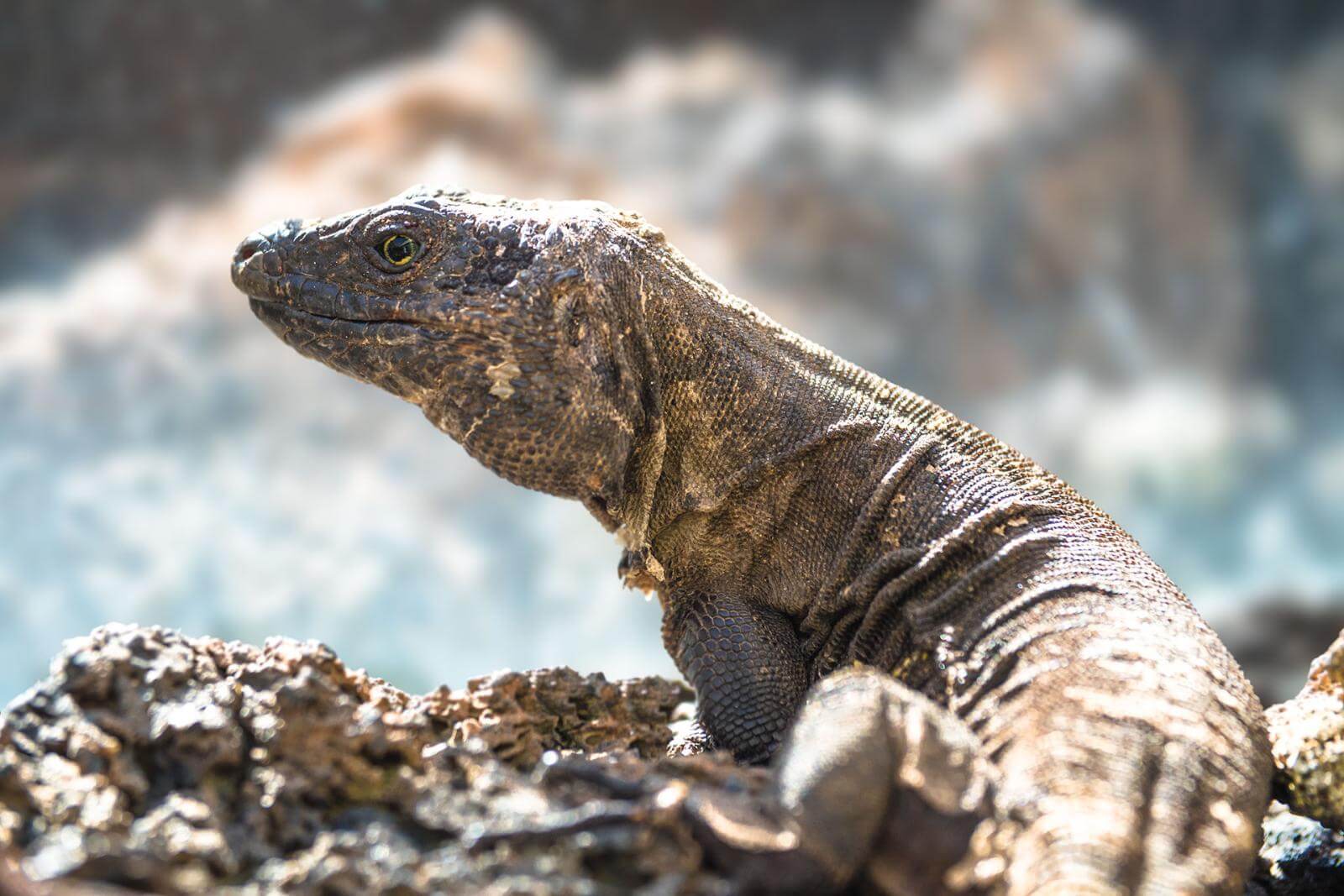
The island's orientation and altitude cause a variety of climates that give rise to a fantastic diversity of habitats within a very small areaThe island is rich in flora and fauna and it is home to numerous endemic species such as the El Hierro giant lizard, which is in danger of extinction, or the plants cheirolophus duranii and silene sabinosae
From the heights
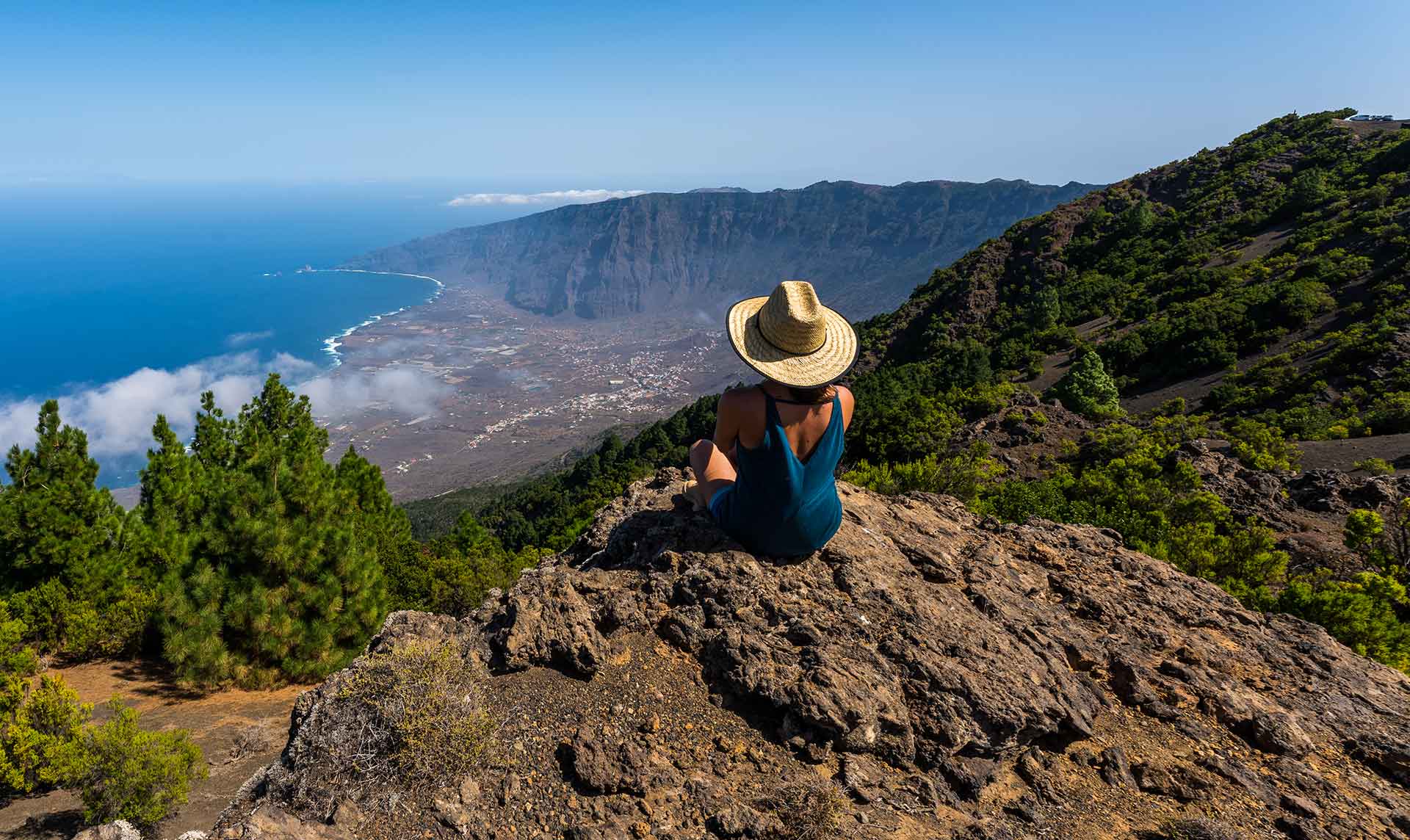
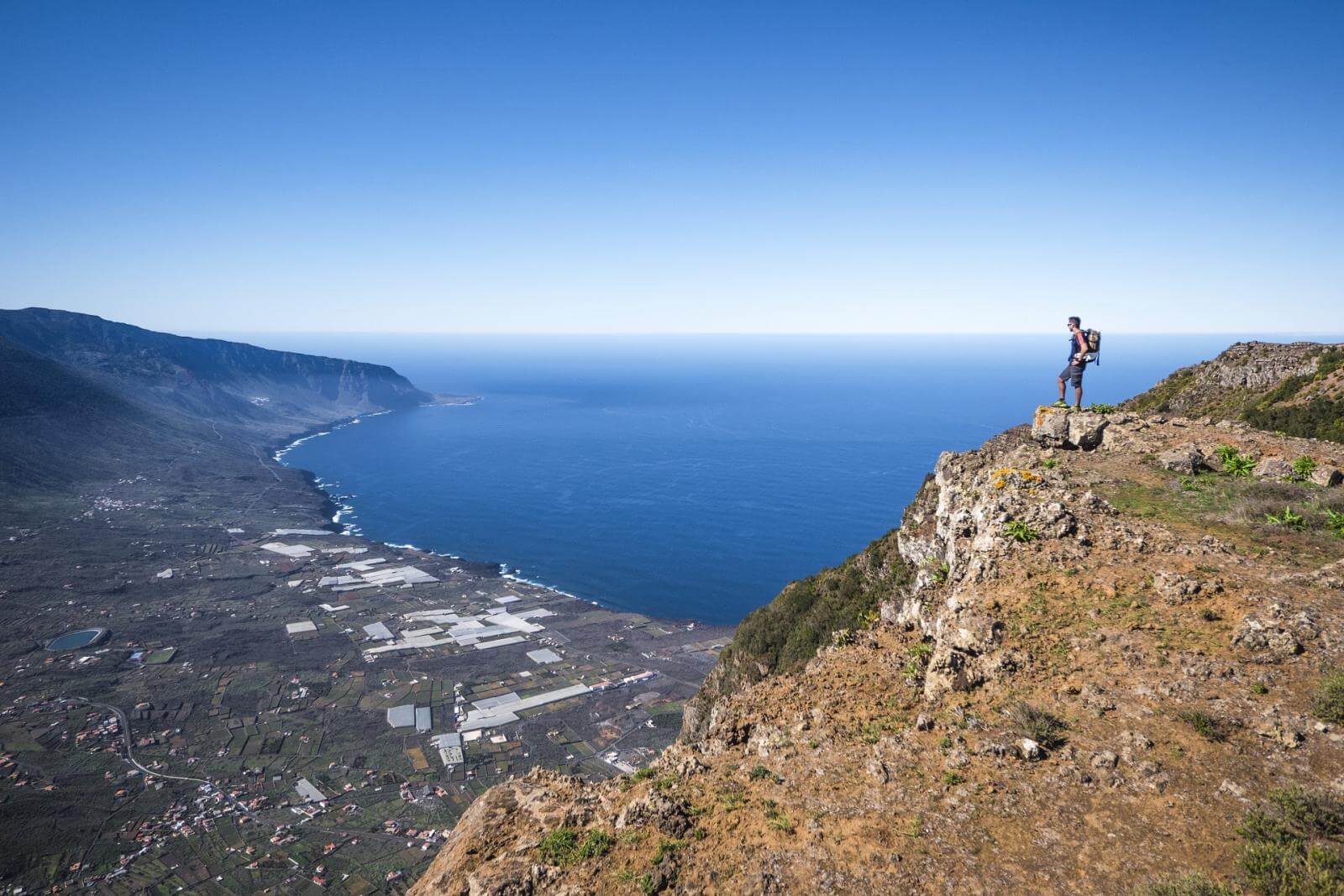
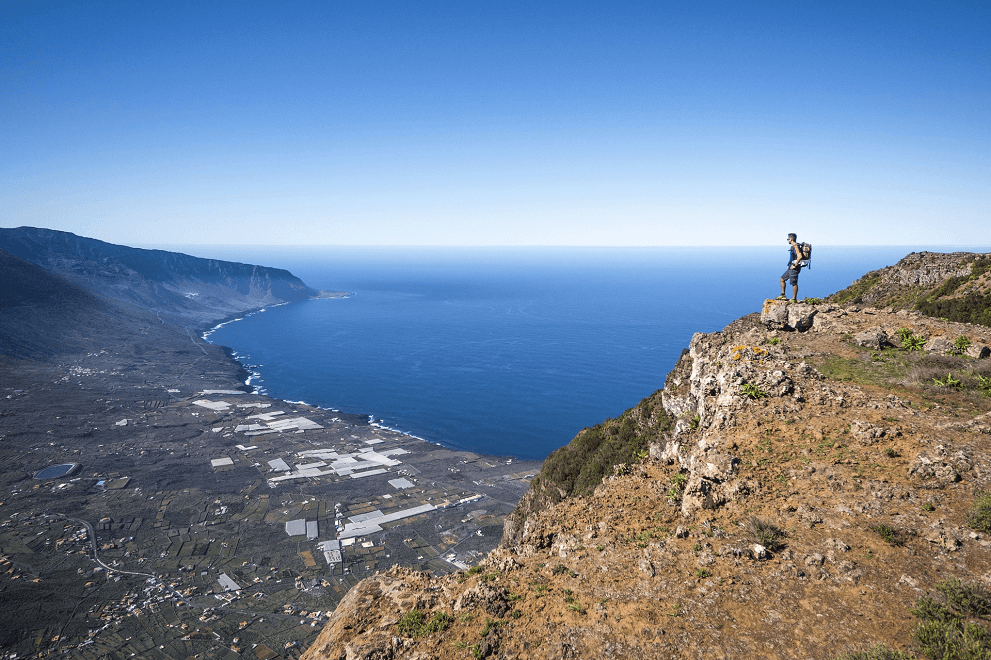
El Hierro is best seen from on high. Go to any of its impressive naturally-formed balconies, such as Las Playas viewpoint, to see one of the most dizzying views of the island.
To the greenery
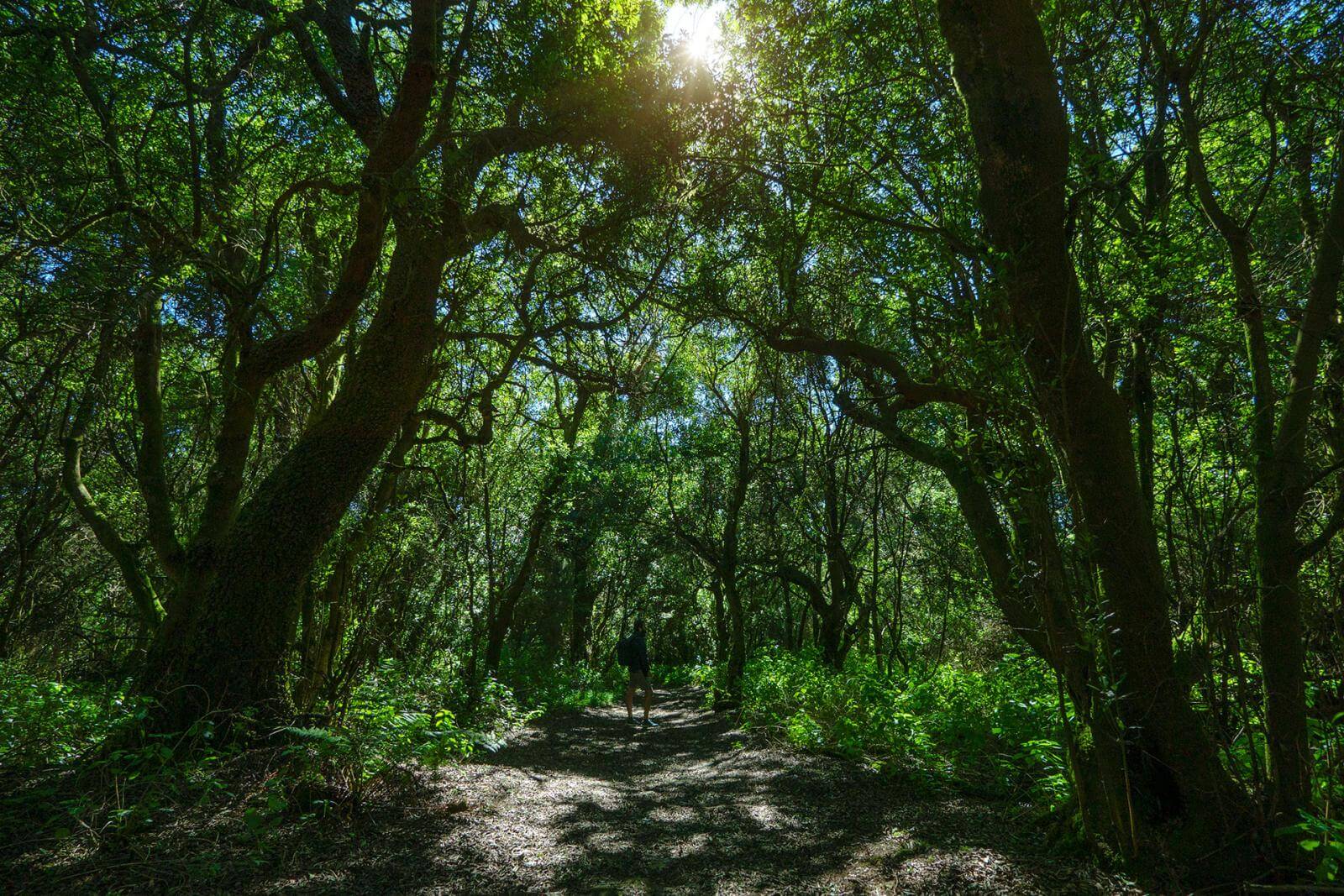
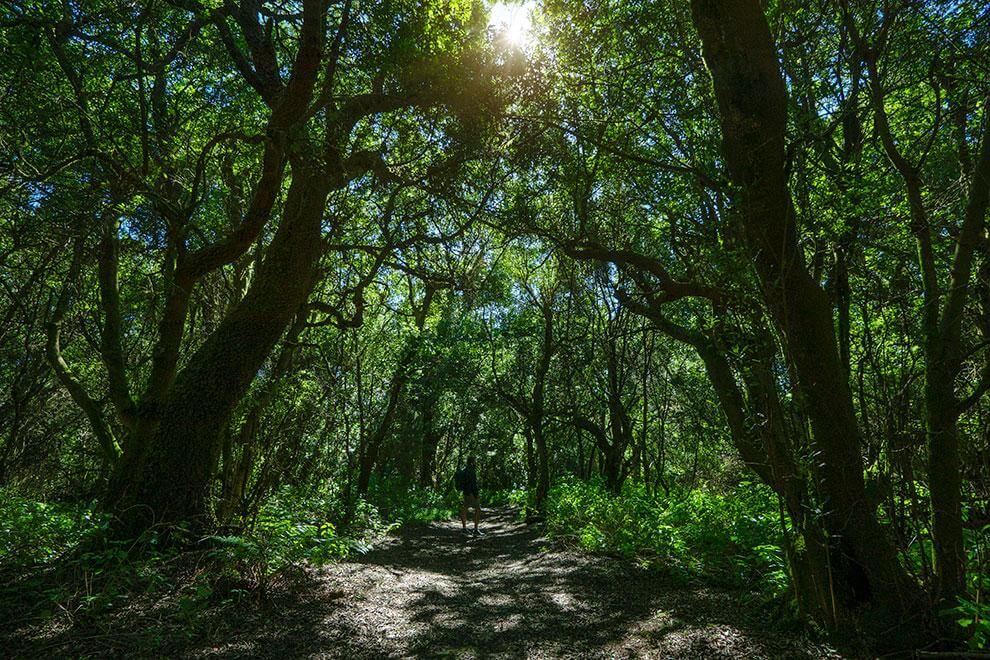
The laurisilva paints the island green and is in contrast to the lack of moisture on El Hierro – an island marked by its constant search for water. However, if you go down to the sea bed, you will find a paradise—especially for diving fans—featuring fauna not found anywhere else in the world because it is so well preserved